
Sustainable Garden Tour 2026
A beautiful landscape can do more than enhance your property. It can help protect Port Washington’s drinking water, support pollinators, improve biodiversity, and reduce demand on Long Island’s sole-source aquifer. Through simple, sustainable gardening practices, every resident can help create a healthier environment while enjoying vibrant, resilient landscapes that require less water and maintenance.
2026 Sustainable Garden Tour Video, 1 minute 50 seconds
 Saturday, June 13, 2026
Thank you to everyone who helped make our 2026 Sustainable Garden Tour such a success!
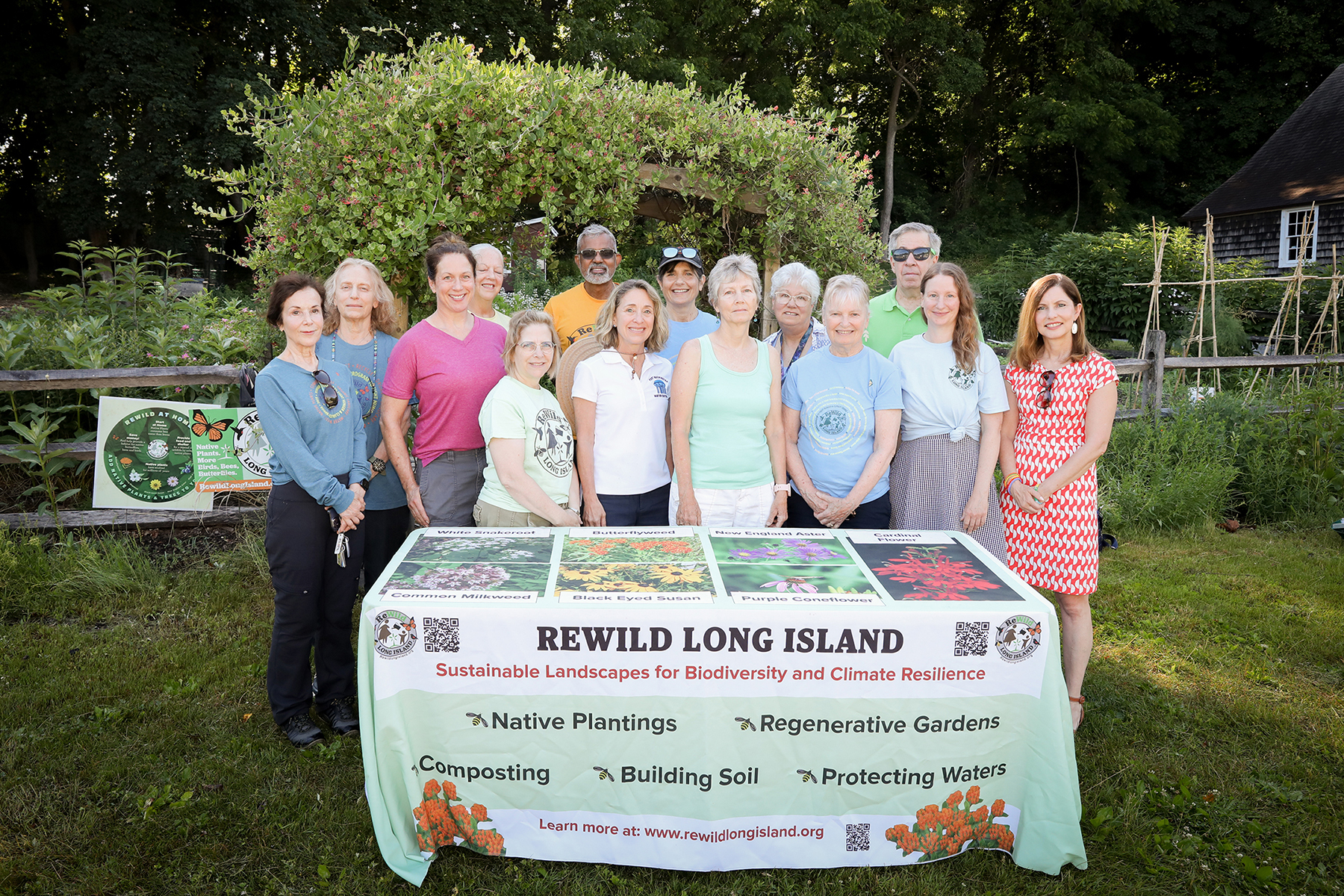
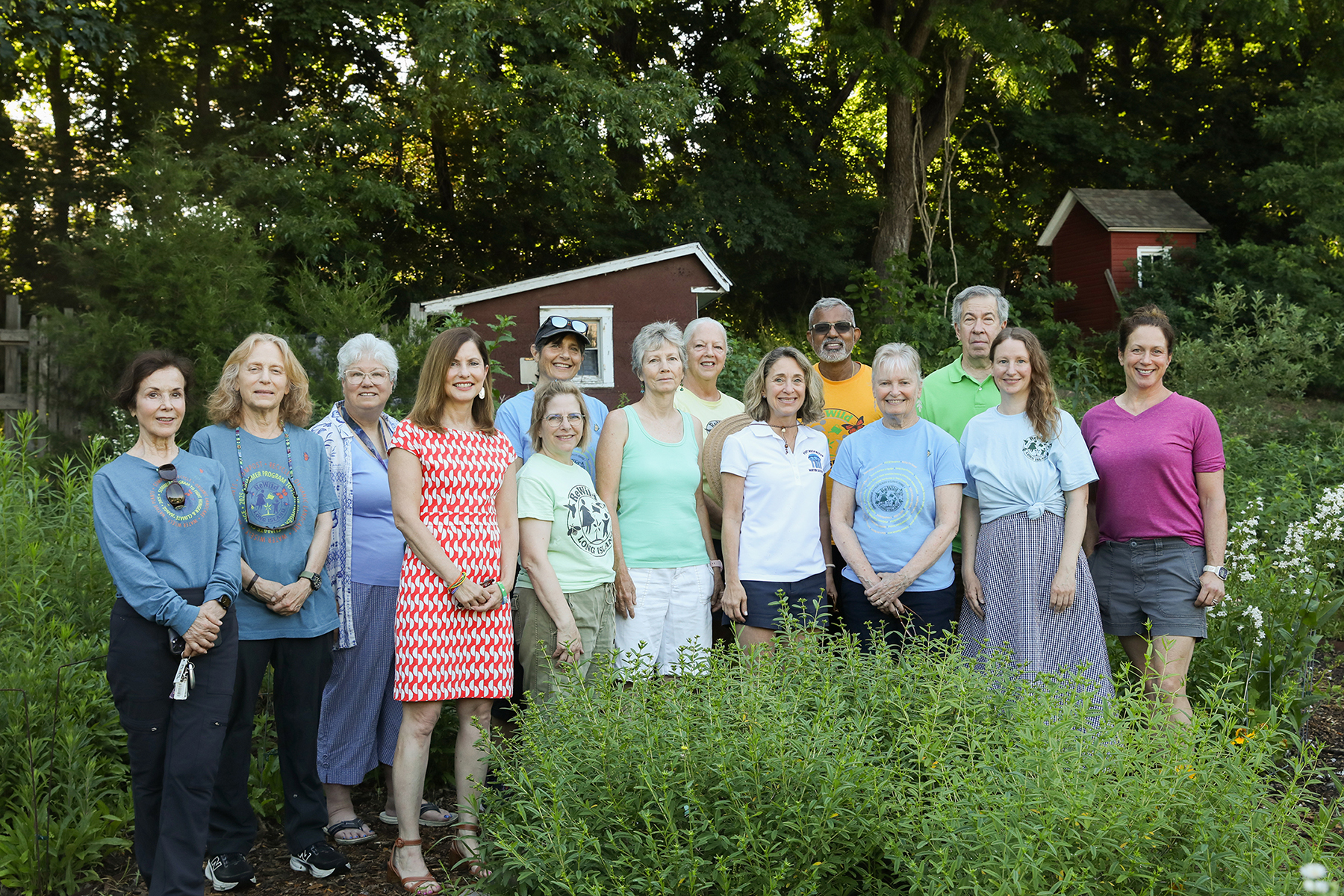
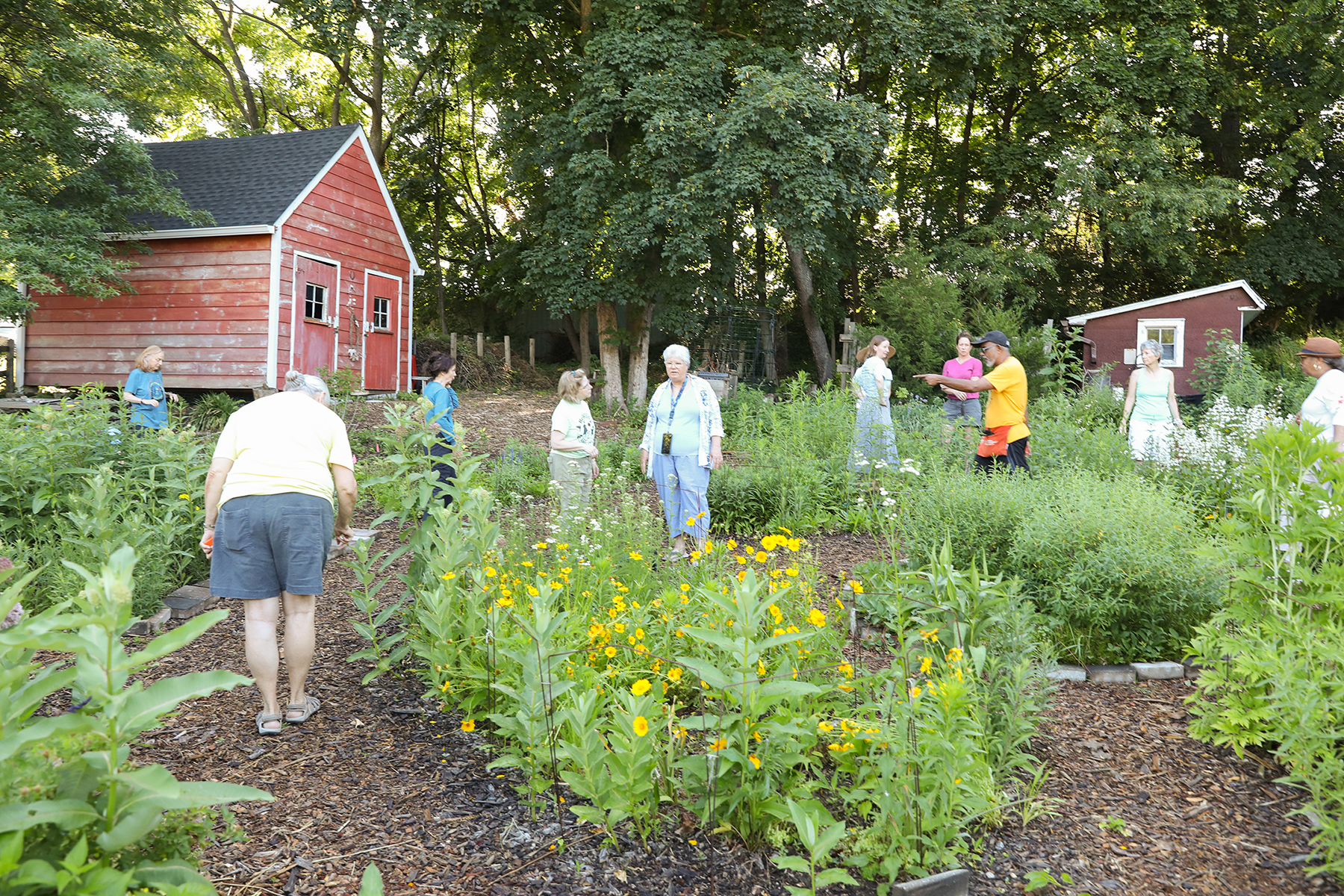
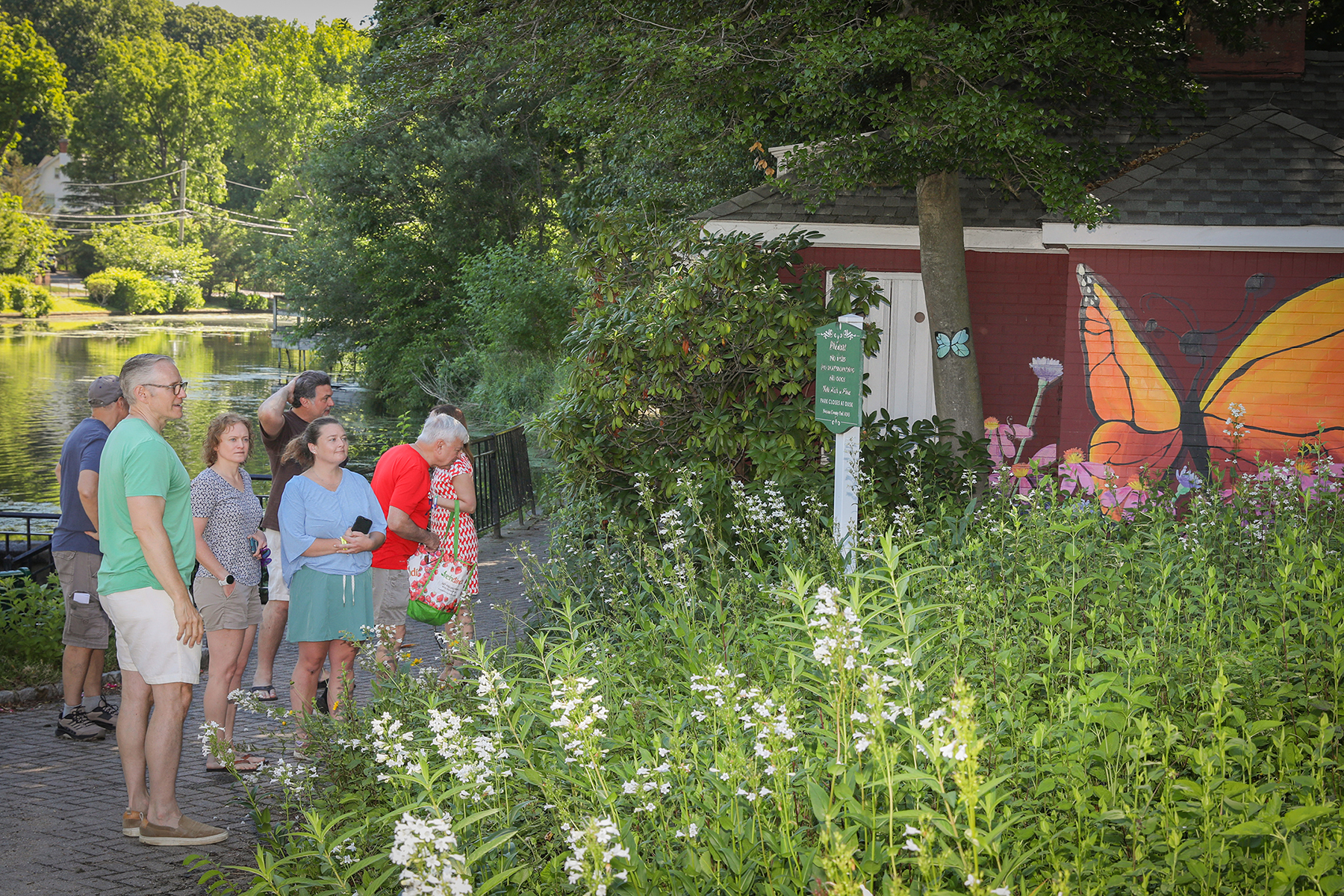
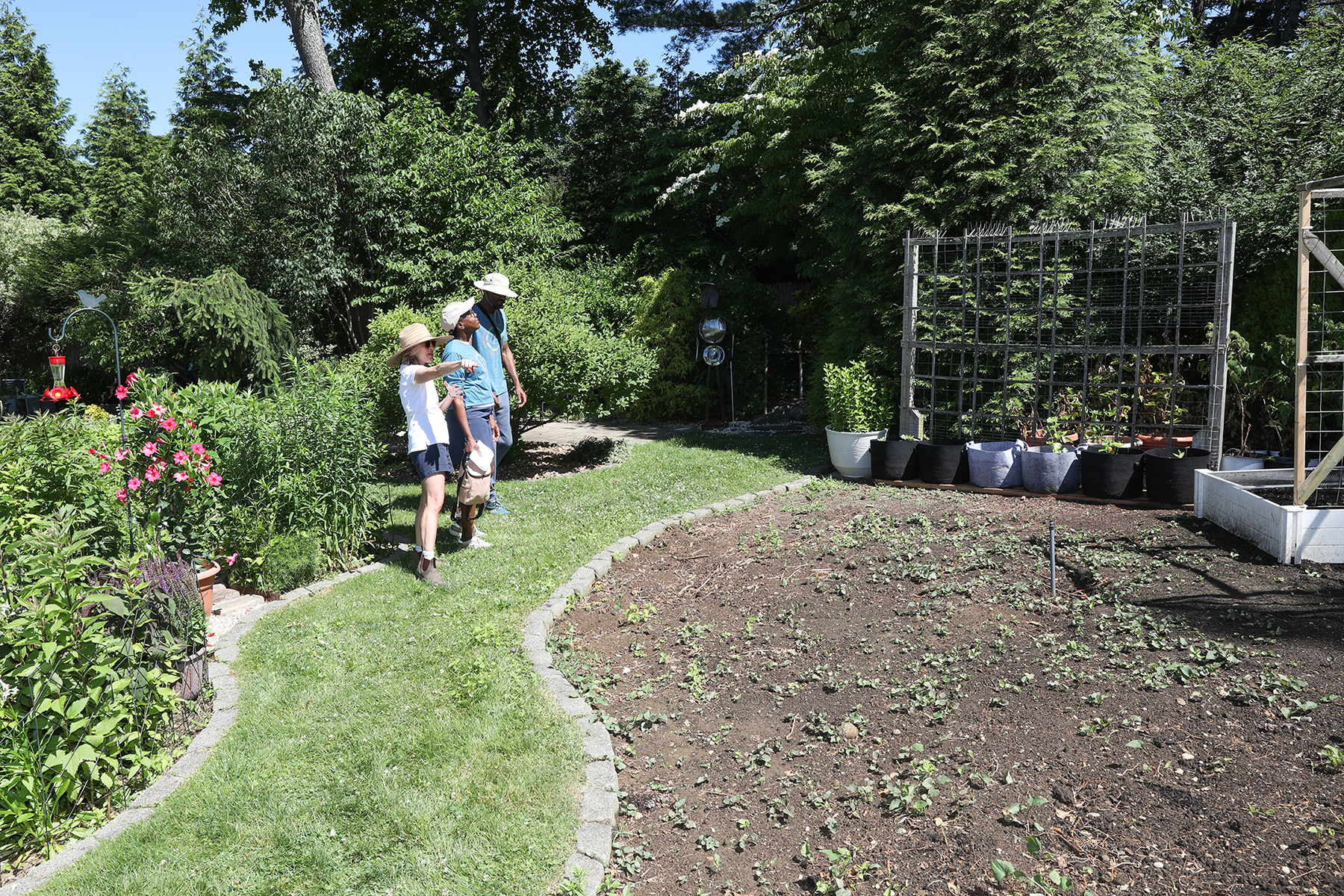
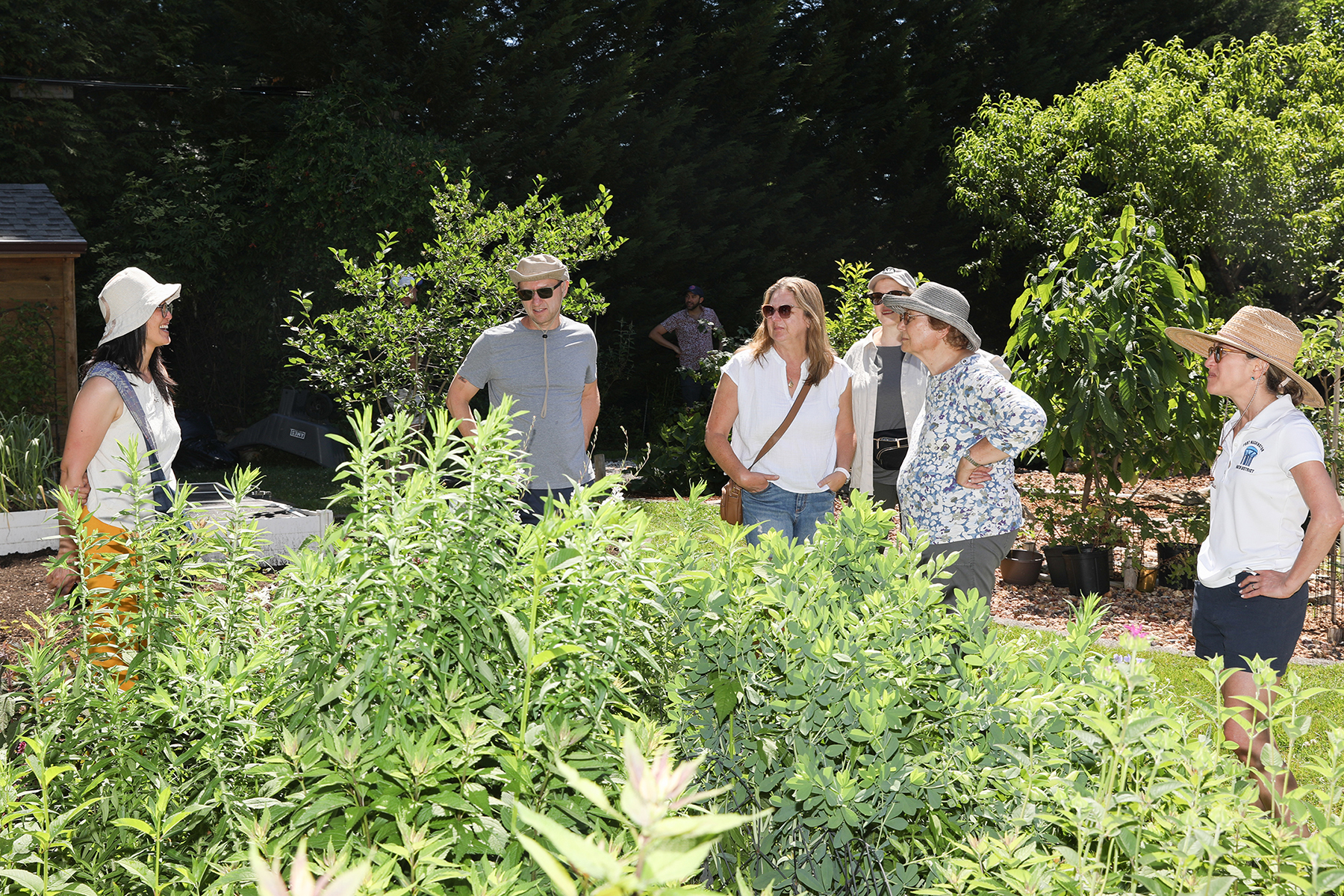
 More than 150 residents joined the Port Washington Water District and ReWild Long Island for our 5th Annual Sustainable Garden Tour, making this our largest turnout yet. Participants explored some of Port Washington’s most beautiful native gardens while learning how sustainable landscaping practices can conserve water, support pollinators, and protect our environment. It was inspiring to see so much enthusiasm for creating a healthier, more sustainable community. Thank you to our generous garden hosts and to ReWild Long Island for partnering with us once again. We look forward to seeing you next year!
Garden Tour Stops and Descriptions:
 1. GARDEN: ReWild Garden at Dodge
FEATURE: Center of Learning
- Native plantings
- Organic vegetables fed by compost
- Herbal plant wheel honoring contributions of native people and native plants in preserving biodiversity
- Various aesthetic concepts that center around native plants
- Bird- and pollinator-friendly
- An ever-changing layout that shows growth and flexibility
Quote from the host:
“Our vision for the ReWild Garden at Dodge was to create a community space where the residents of Port Washington can learn about the historic and environmental importance of native plants while also understanding their role in sustainable landscaping today.”
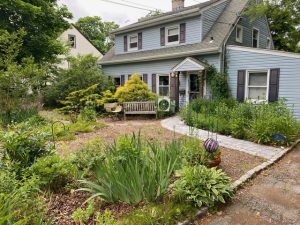 2. GARDEN: Kathy Coley
FEATURE: Garden Transitioning from Traditional and Exotic Plantings to Native Plants
- Low-maintenance without outside help
- Left the leaves to serve as over-winter mulch
- Pollinator garden
- Herb garden
- Vegetable container garden
Quote from the host:
“Visitors to my garden will learn how to transition from a traditional to a sustainable garden requiring less watering and maintenance while using no fertilizers or pesticides. I found the pollinator garden design for my front yard on the ReWild Long Island website. Each year, I add a few more plants to attract birds, bees, and butterflies.”
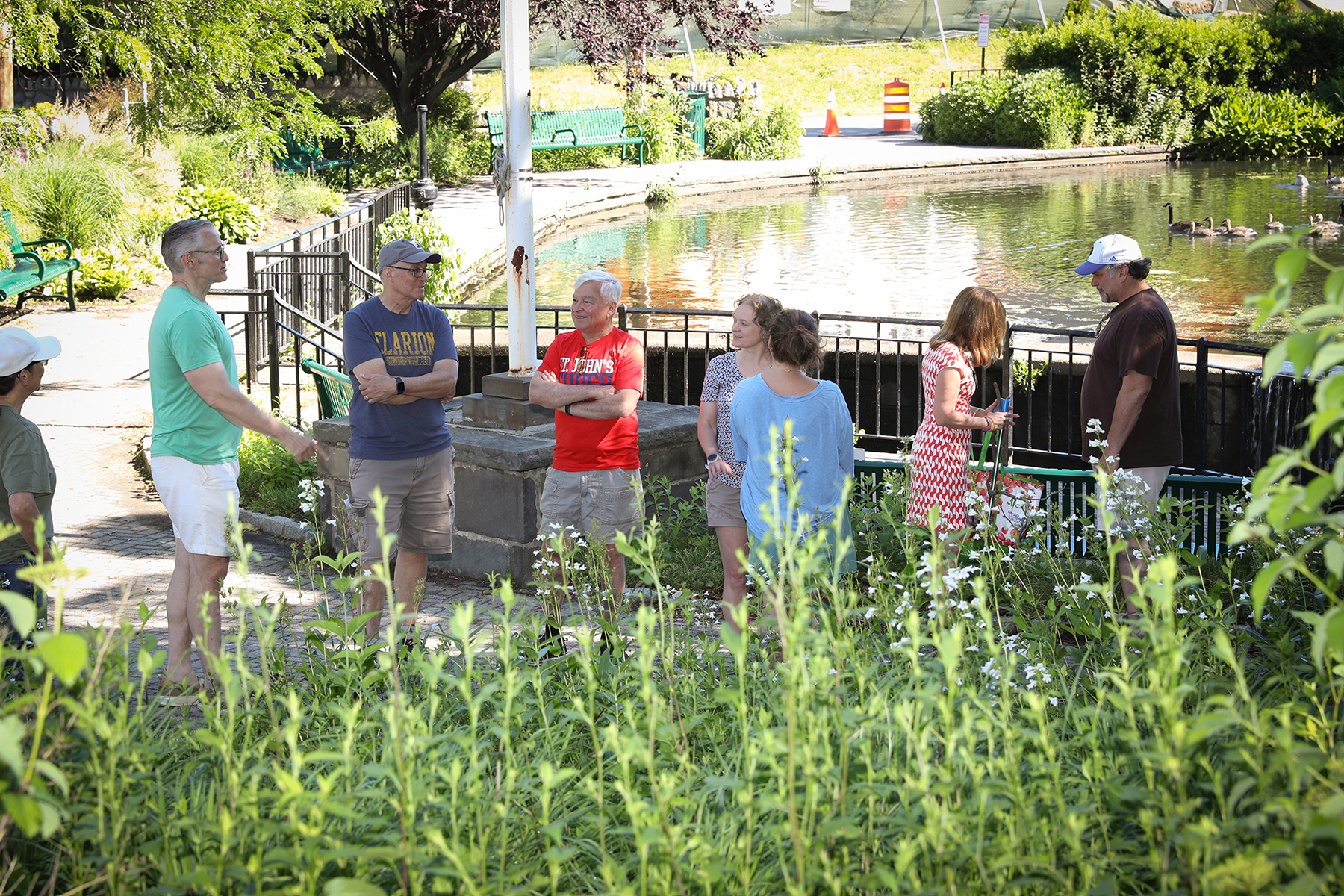
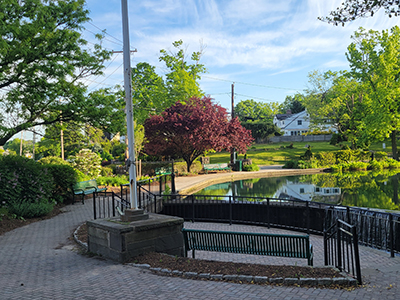 3. GARDEN: Baxter Pond Park
FEATURE: Native Plantings in a Public Space
- Results of multiyear process to remove non-native plants and replace with natives
- Meadow in place of lawn
- Incorporating plantings with natural water features
- Pollinator- and bird-friendly
Quote from the host:
“For years, the Baxter’s Pond Foundation has worked with Nassau County to bring more native plants into the Barbara Johnson Park surrounding Baxter’s Pond. This year, BPF has undertaken its biggest native planting project to date, removing a variety of invasives, refreshing our ornamental gardens with flowering natives, and installing a native grass meadow along Central Drive.”
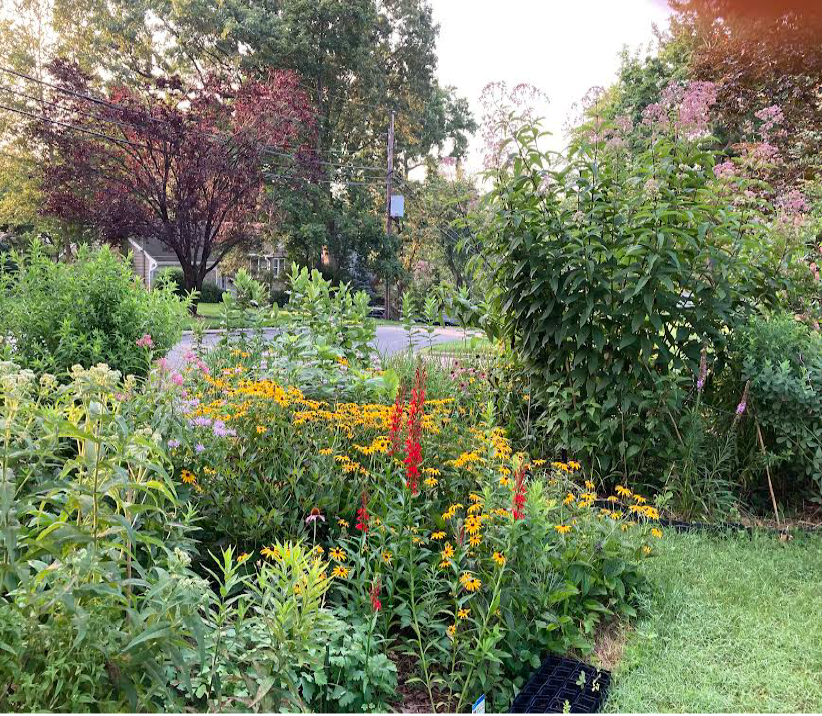 3b. GARDEN: Peggy Maslow
FEATURE: How to Attract Birds to Your Garden
- Sun and shade flowering plants for all seasons
- Predominantly native plants
- Habitat and food for birds and pollinators
- Low water garden with water reuse
- No pesticides
- Composting and Bokashi
Quote from the host:
“As a long-time member of North Shore Audubon, I try to look at my garden with the eyes of a bird. Birds can’t resist a pretty yard with plenty of delicious native seeds and caterpillars, as well as places to hide and forage.”
 4. GARDEN: Kate Walz
FEATURE: “Best of Both Worlds” …Designing with Natives & Beneficial Non-Native Plants
- Integrating more native plants to live alongside beneficial non-native plants
- A mixed garden that benefits nature and humans alike
- Native perennials, grasses and shrubs
- Smart irrigation
- Composting
- Sunny garden, shady garden and a slope garden
- Stunning, low-maintenance, earth-friendly – A Must See!
Quote from the host:
“Our property had great bones when we moved in 15 years ago. As a horticulturist, I couldn’t wait to expand the garden and fill every space with plants that shine in all four seasons. I love mixing native plants with beneficial non-natives, because I believe there’s room for both in a vibrant, ever-changing garden.”
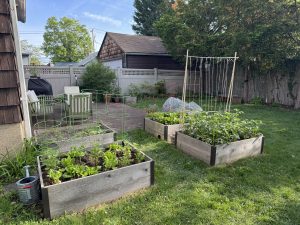 5. GARDEN: Jillian Dresser
FEATURE: A Budding Food Forest to Benefit Insects, Wildlife, and Ourselves
- Native plants, trees and edible plantings such as wild strawberries and high bush blueberries
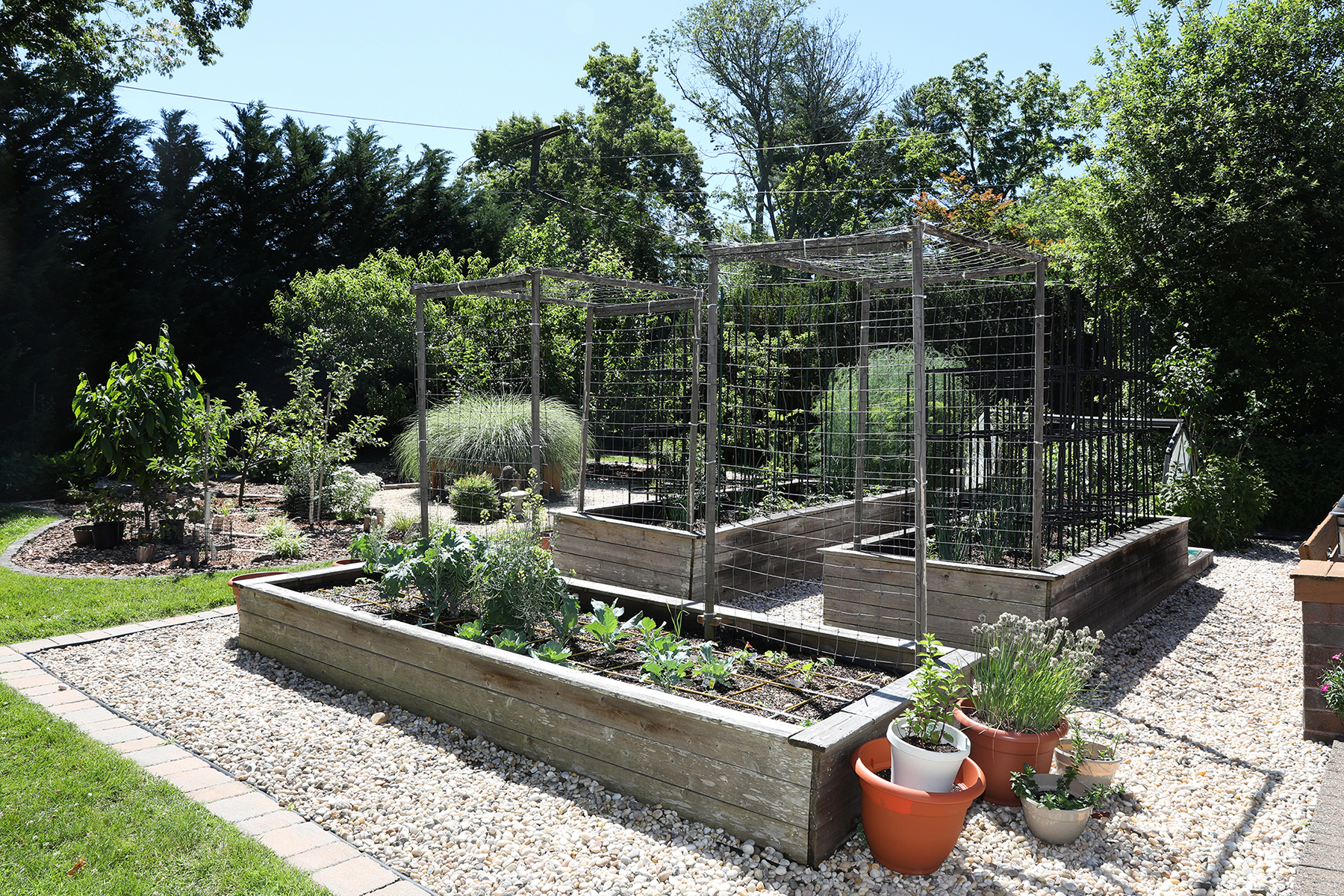
- Raised beds for vegetables and herbs
- Pollinator-friendly, sustainable and productive
- Composting
- Pesticide-free
Quote from the host:
“Since we’ve been planting over 4-5 years — and much of it from seed — our garden is in various stages of growth. Some of our natives are well established, and others are younger. It’s a transitional space that used to be mostly conventional landscaping and invasive plants that we’re trying to turn into a pollinator-friendly, sustainable, and productive ecosystem.”
6. GARDEN: Annemarie Ansel
FEATURE: Incorporating Phlox and Sunflowers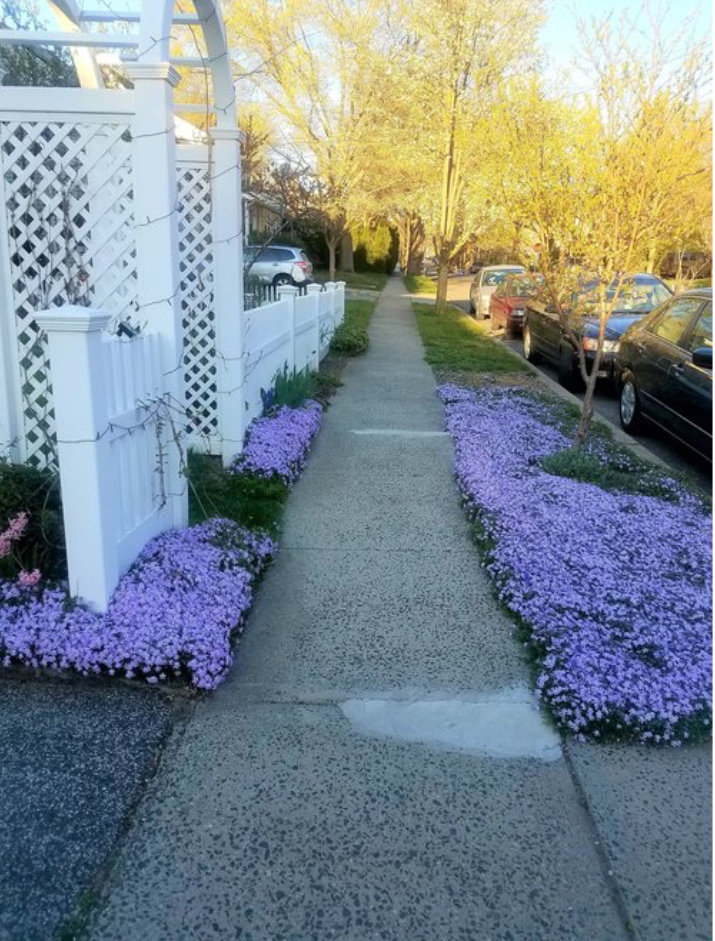
- Long time gardener with vegetables, fruits and flowers
- Native plants for pollinators and to reduce water usage
- Fully organic with greenhouse and almost year-round interest
- Driveway converted into a vast container garden
- Shade gardening
Quote from the host:
“Every year I took out another piece of lawn and replaced it with a native garden.”
7. GARDEN: Margot Gramer
FEATURE: Floral Meadow and Rain Garden
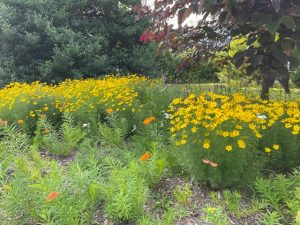 Native plants which require far less water than lawns
- Pollinator-promoting plants for each season
- Pesticide/Herbicide-free lawn
- Leave the leaves to promote survival of growing pollinators
- Eastern Redbud understory meadow, designed by Spadefoot Ecosystems Solutions, with flowering species to support pollinators
- Rain Garden, installed by Spadefoot Ecosystems Solutions, diverts rain gutters through buried pipes; includes moisture-loving, shade tolerant plants
Quote from the host:
“I began this journey five years ago when I started learning about native plants. With more knowledge I continued to plant natives, started ripping out invasive non-natives, and shrank my lawn. By continuing to plant natives, I am creating a small oasis that promotes pollinators, feeds the birds, and in the process, uses less water, something precious to all of us.”
8. GARDEN: Bea Helft
FEATURE: Growing Food, Saving Seeds, and Supporting Biodiversity
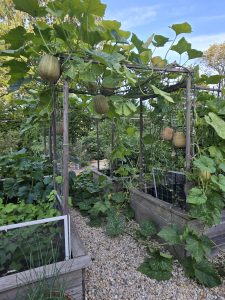 Founder, Grow Food at Home Club
- Trialing 3 varieties of turnips & 3 of basil for ADAPT program of Seed Savers Exchange
- Member, Monarch Watch (MonarchWatch.org)
- Certified Bird-Friendly Garden (NorthShoreAudubon.org)
- Participant, Daffodil Project (DaffodilProject.net)
- Backyard composed of mini-farm and orchard
- Native plants and trees strewn throughout otherwise Japanese style landscape
- 3-area Compost system in back of property, as well as tumbler at kitchen door
- Rain barrel for water collection, drip irrigation in raised beds
Quote from the host:
“Somehow, I became a farmer! I love sharing my seeds, knowledge, and resources, encouraging people to donate some of what they grow to those in need. I love to experiment with different growing techniques that have a positive impact on the environment.”
 9. GARDEN: Pat Higgins
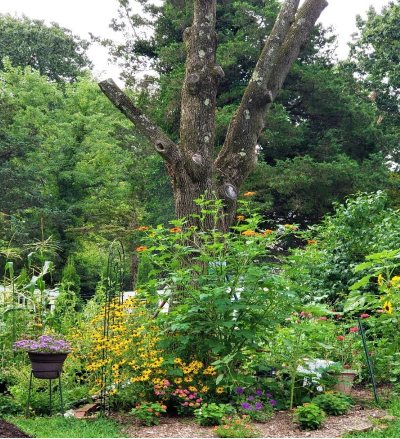
FEATURE: A Thriving Garden with Minimal Grass
- Use of trees as natural posts for climbing plants
- Pollinator- and bird-friendly
- Organic vegetable garden in place of grass
- Native plantings
- Leaving the Leaves
- Composting
Quote from the host:
“I began adding perennial native plants to my flower beds about four years ago, when I joined Rewild Long Island. Since then, I’ve replaced large sections of my lawn with native wildflowers, herbs, and organic vegetable crops. My yard has become wonderfully alive with butterflies, bumblebees, and honeybees, and more species of birds than had ever visited before! It’s truly magical. And I feel great about the small but vital contribution I am making to help restore our environment.”
 10. GARDEN: Francesca and Brendan Zahner
FEATURE: If You Build It…Pollinator Desert to Pollinator Pathway
- Biological solutions like mosquito buckets instead of pesticides or organic sprays
- Leaving leaves for habitat and natural mulch
- Compost bins for food scraps
- Lawn conversion
- Learning to work with varied soil and light combinations
Quote from the host:
“Behind the non-native privet and expansive Japanese Cherry Blossom, a native garden transformation has begun. It started with 50 plugs —teeny plants with robust roots— in the fall of 2022 over a mulched 10’x12’ lawn area plus a few larger plants in existing garden beds. Starting spring of 2023, the plants began to emerge and what followed was a revelation. Bees needed these flowers and found them. Soon there were more and different birds (including a hummingbird!) than I had ever seen and this phenomenon has only increased. I transformed three other beds and added additional plants in both fall 2023 and 2024. We have seen fireflies emerge from leaf beds and are privy now to more fledglings as birds choose to nest here. Each season I look forward to seeing what the garden brings and how I can add to the natural ecosystem I am helping to create. It has been a truly rewarding experience and I am grateful to have found this ReWild community.”